GEO (Ottimizzazione per motori generativi) fonde la scoperta guidata dall'AI con segnali consapevoli della località per aumentare la scoperta internazionale dei prodotti, la pertinenza per i viaggiatori e il flusso di clienti nei negozi attraverso l'AI search geo-targettizzata e contenuti multilingue.
La localizzazione va oltre la traduzione: allinea i contenuti alle intenzioni di ricerca regionali, alle valute, ai termini di consegna e a descrizioni di prodotti culturalmente pertinenti descrizioni di prodotti per migliorare le citazioni AI e le conversioni tra le lingue (esempi includono hindi, francese, giapponese, arabo, spagnolo).
Implementa playbook pratici: struttura i dati per l'AI, usa micro-pagine multilingue, fornisci FAQ specifiche per area geografica e mantieni la governance e il tono del brand per garantire output AI affidabili e un impatto GEO misurabile.
- Gli acquirenti stranieri spesso chiedono agli strumenti AI "vicino a me", informazioni su valuta, consegna, rimborso tasse e idoneità del prodotto prima di raggiungere un sito di vendita al dettaglio.
- Le pagine retail vincenti forniscono fatti strutturati sui prodotti, lingua localizzata, dettagli sui servizi regionali e percorsi di conversione che l'AI può citare accuratamente.
- Ciò rende il GEO un ponte pratico tra la scoperta internazionale, la fiducia localizzata nei prodotti e un traffico misurabile o una conversione online.
- Inizia con pagine di catalogo ad alta intenzione: aggiungi riassunti dei prodotti localizzati, chiarezza sulla valuta, disponibilità, termini di reso e schema FAQ.
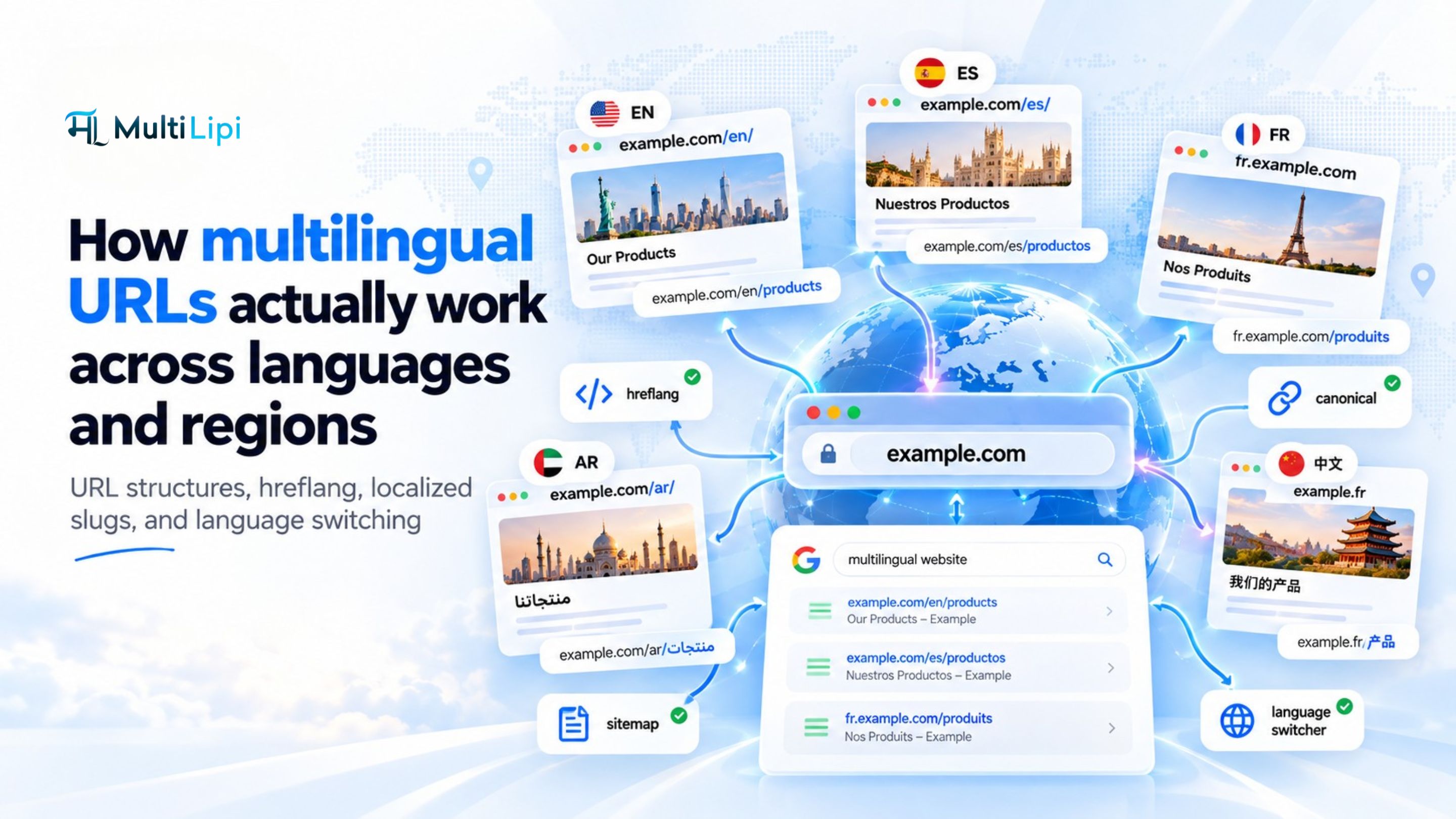
- Quindi collega queste pagine tramite hreflang, segnali canonici, link interni e dati strutturati in modo che i sistemi AI possano citare la versione regionale corretta.
- MultiLipi può supportare questo flusso di lavoro su stack CMS e di e-commerce preservando glossario, tono del brand e qualità della traduzione.
GEO nel Retail: Come il Marketing di Ricerca AI Attrae Turisti Stranieri ed Espande il Flusso di Clienti
Verifica le pagine del tuo store per i segnali geografici. Aggiungi menzioni di città e località, opzioni di consegna locali localie scelte di valuta nelle pagine prodotto per ridurre l'attrito per i viaggiatori. Gli strumenti AI di Google possono aiutare a creare prompt specifici per area geografica per fornire risposte accurate e multilingue agli acquirenti, comprese le funzionalità basate su OpenAI per la generazione multilingue. Le considerazioni AEO possono allineare ulteriormente i contenuti con le pratiche avanzate di ottimizzazione dei motori di ricerca su tutte le superfici di scoperta AI. Inoltre, Google Gemini sta aiutando i rivenditori a unificare segnali testuali e visivi nei prompt localizzati, migliorando la coerenza nelle citazioni basate sull'AI e riducendo la frammentazione tra le lingue.
Introduzione
GEO, ricerca AI e crescita multilingue nel retail
Ottimizzazione per motori generativi (GEO), o Generative Engine Optimization, sposta l'attenzione dal SEO tradizionale alla visibilità guidata dall'IA attraverso le superfici di scoperta. Vedrai i consigli sui prodotti apparire nei riassunti dell'IA, nelle interfacce di chat e nei prompt cross-device. Questa tendenza alimenta la crescita del retail multilingue poiché viaggiatori e acquirenti multilingue cercano rilevanza locale nella propria lingua.
I rivenditori possono muoversi rapidamente creando contenuti di prodotto "answer-first" tenendo presente l'intento multilingue. FAQ localizzate descrizioni di prodotti, FAQ e guide all'acquisto diventano non solo informative ma anche individuabili nelle risposte dell'IA e negli echi di ricerca regionali. Dando priorità alle risposte che si allineano alle query degli utenti, il risultato è una maggiore esposizione, maggiore fiducia e più conversioni quando lingua e cultura risuonano efficacemente con i potenziali clienti.
1. Fondamenti GEO per il Retail: da GenAI alla Scoperta del Prodotto
Cos'è il GEO e in cosa differisce dal SEO tradizionale
GEO, o Ottimizzazione per motori generativi, si concentra sulla visibilità all'interno dei riassunti generati dall'IA e superfici di scoperta, migliorando significativamente l'impatto della GenAI sulla scoperta del prodotto, oltre il semplice posizionamento per parole chiave. Questo approccio richiede che i contenuti siano adattabili a contesti AI dinamici, consentendo esperienze di ricerca più efficaci e personalizzate che vanno oltre le pagine statiche.
Esempi pratici che puoi implementare subito:
- Pubblica dati di prodotto in formati strutturati come JSON-LD in modo che gli strumenti AI possano estrarre gli attributi in modo accurato.
- Sviluppa micro-pagine multilingue e snippet localizzati per regioni ad alta domanda.
- Monitora le menzioni del brand su forum e media per rafforzare i segnali di posizionamento AI.
Impatto dei riassunti AI e della ricerca AI sul comportamento dei consumatori
Schema Attività Locale aiuta i motori di ricerca a comprendere i dettagli della tua vetrina, come nome, indirizzo, orari e servizi, in modo che l'AI e i crawler tradizionali possano fornire informazioni accurate e specifiche per la località a viaggiatori e acquirenti. Completa la tua dati strutturati strategia per migliorare le citazioni AI e l'allineamento con l'intento locale.
Passi concreti per sfruttare questa tendenza:
- Mantieni attributi chiave (dimensione, colore, disponibilità) coerenti nei feed di dati per migliorare la qualità delle citazioni.
- Sperimenta con i prompt utilizzati dall'IA per riassumere i tuoi prodotti e monitora la frequenza con cui gli utenti progrediscono verso le pagine di acquisto.
- Crea percorsi di conversione chiari dai risultati dell'IA a pagine prodotto con opzioni di acquisto evidenti e prezzi localizzati.
2. Localizzazione come Vantaggio Competitivo: Allineamento dei Contenuti per la Ricerca IA
Strategie di contenuti multilingue per la scoperta guidata dall'IA
La localizzazione va oltre la traduzione. Significa fornire contenuti nella lingua dell'utente con termini precisi, formulazioni culturalmente rilevanti e specifici per la località esempi. Per la scoperta guidata dall'IA, allinea i contenuti con il modo in cui le persone cercano e ciò che chiedono nel loro mercato. Ciò garantisce che i tuoi contenuti riflettano l'intento locale attraverso lingue e regioni.
Individua i segnali di intento che appaiono nei riassunti dell'IA attraverso i mercati. Essere i primi con informazioni chiare e appropriate a livello regionale aumenta la probabilità di essere citati dagli strumenti IA e di apparire nei risultati guidati dall'IA scoperta del prodotto .
I passaggi concreti che puoi intraprendere ora includono la creazione di specifici per lingua guide all'acquisto che mappano i percorsi di acquisto locali e la stesura di descrizioni di prodotti che enfatizzano caratteristiche regionali pertinenti come dimensioni, nomi di colori e scenari di utilizzo unici per ciascun mercato.
Le prove degli studi di settore dimostrano che localizzazione aumenta i tassi di click-through fino al 28% nei mercati non anglofoni e riduce i tassi di rimbalzo del 12% quando le query sono allineate alla terminologia locale.
Attenzione alle avvertenze: evitare traduzioni parola per parola che ignorano il contesto culturale e testare i prompt per lo slang regionale che potrebbe confondere l'analisi dell'IA. Se un mercato utilizza più script, garantire una gestione accurata degli script e il rendering dei font per evitare interpretazioni errate.
Esempio reale: per un marchio di profumi, descrivere le fragranze utilizzando note comprese localmente in ciascuna regione, come agrumi in Spagna, ylang ylang in Brasile o note ispirate alla sakura in Giappone. Abbina questo a specifici per la località FAQ sulla disponibilità e sulle tradizioni di regalo per migliorare la scoperta nei prompt locali.
Integrazione in una riga e best practice di localizzazione per eCommerce CMS
L'implementazione dovrebbe essere leggera e scalabile. Una singola riga di integrazione può alimentare dati di prodotto nel localizzazione pipeline senza interrompere i flussi di lavoro principali del CMS.
- Adotta un modulo localizzazione layer che mappa automaticamente gli attributi del prodotto alle varianti locali.
- Archivia gli asset localizzati in un centralizzato CMS con metadati per lingua per un facile recupero da parte dei sistemi AI.
- Mantieni un branding uniforme consentendo adattamenti regionali nel tono, nelle unità e nelle immagini.
- Dai priorità dati strutturati e schema che riflettono attributi specifici della località per le citazioni AI.
3. Viaggi dei Clienti Globali: Attirare Turisti Stranieri con Localizzazione Ottimizzata per AI
Rivolgersi ai viaggiatori internazionali attraverso intenti specifici della lingua
Puoi catturare il traffico turistico allineando i contenuti con intenti specifici della lingua. Ricerca IA Gli strumenti evidenziano la rilevanza locale quando le query riflettono le esigenze dei viaggiatori, come posizione, valuta e servizi locali. Questo approccio supporta le strategie GEO dando priorità a risposte ricche di contesto e alla scoperta di prodotti che i viaggiatori cercano effettivamente.
Passaggi chiave da implementare:
- Annotare le pagine di prodotto con attributi consapevoli della localizzazione che rispecchiano le query dei viaggiatori.
- Creare guide all'acquisto pagine di destinazione personalizzate per la lingua che affrontano visite stagionali, eventi locali e trasferimenti aeroportuali.
- Monitorare i segnali di ricerca interlinguistici per regolare l'enfasi dei contenuti per mercato.
Rilevanza culturale e regionale nelle descrizioni dei prodotti e nelle FAQ
Le descrizioni dei prodotti dovrebbero riflettere preferenze regionali, idiomi e unità di misura. Le FAQ dovrebbero anticipare domande comuni di viaggio, come rimborsi fiscali, copertura della garanzia all'estero e supporto bilingue. Questo approccio supporta la scoperta guidata dall'IA fornendo risposte dirette e fattuali.
- Tradurre e adattare la terminologia per evitare traduzioni letterali che confondono gli acquirenti.
- Incorpora esempi e immagini regionalmente significativi che riflettano le aspettative degli acquirenti locali.
- Utilizza contesti di prezzo e opzioni di consegna specifici della località per ridurre l'attrito nei percorsi di conversione.
Dati strutturati, Domande e Risposte e affermazioni attendibili per la visibilità dell'IA
Migliora Citazioni AI presentando dati chiari e di provenienza e contenuti ben strutturati, utilizzando dati strutturati e schema FAQ per fornire risposte precise. Dare priorità ai vantaggi diretti del prodotto e alle informazioni organizzate migliora il modo in cui le piattaforme di intelligenza artificiale generativa fanno riferimento alle tue pagine.
- Includi specifiche del prodotto, opzioni di consegna e termini di reso in un formato strutturato.
- Sviluppa sezioni FAQ che affrontino scenari di viaggio, valuta domande e disponibilità del servizio nei mercati chiave.
- Incorpora statistiche verificabili e dati attribuibili per rafforzare la credibilità e il riconoscimento dell'IA.
Localizzazione per realtà di prezzo, consegna e servizio
Contesti di prezzo e opzioni di consegna specifici della località riducono l'attrito nei percorsi di conversione. Allinea valuta presentazione, considerazioni fiscali e stime dei tempi di spedizione con le aspettative dei viaggiatori per aumentare la fiducia e l'intenzione d'acquisto.
- Offri metodi di pagamento e valute regionalmente pertinenti che i viaggiatori utilizzano comunemente.
- Presenta le tempistiche di spedizione in termini favorevoli ai viaggiatori, tenendo conto dei ritiri in aeroporto e dei punti di ritiro locali.
- Assicurati che i canali di supporto bilingue siano visibili e facilmente accessibili per domande post-acquisto.
Esempi di integrazione pratica per i clienti di MultiLipi
Esempi di casi d'uso mostrano come le tattiche basate sulla lingua si traducano in risultati reali.
- Dati sulle partnership con le compagnie aeree: adatta le landing page alle lingue dei principali mercati di partenza e mostra valuta e informazioni sul fuso orario in anticipo.
- Tendenze del turismo stagionale: pubblica guide ai regali specifiche per località che mettono in risalto prodotti popolari a livello regionale durante le stagioni di punta dei viaggi.
- Flussi di lavoro di supporto: indirizza le richieste bilingui ad agenti di madrelingua entro 24 ore per ridurre gli attriti e aumentare la fiducia.
4. Citazioni di prodotti guidate dall'intelligenza artificiale: garantire che il tuo catalogo brilli nelle risposte generative
Strutturazione dei contenuti per citazioni, menzioni e statistiche
Il tuo catalogo dovrebbe emettere segnali leggibili dalle macchine che l'intelligenza artificiale può estrarre. Utilizza fatti verificabili, citazioni di autori e punti dati ancorati a fonti affidabili. Questa pratica aumenta la probabilità di essere citati nelle risposte generative. Ad esempio, una pagina di elettronica multilingue può mostrare il prezzo in USD, EUR e JPY con chiare note di disponibilità.
Progetta le pagine dei prodotti con elenchi di attributi espliciti, linee di attribuzione visibili e dettagli numerici concisi. Elenca specifiche come peso, dimensioni e periodo di garanzia in formato puntato per evitare fraintendimenti quando riassunto dall'intelligenza artificiale. Una pagina di elettrodomestici da cucina potrebbe includere la classe energetica e il consumo energetico annuo in una tabella compatta.
Schema e segnali di dati che aumentano la visibilità dell'intelligenza artificiale
Dati strutturati e schema sono fondamentali per il modo in cui i motori di intelligenza artificiale indicizzano e fanno riferimento ai prodotti. Implementa schemi specifici per lingua che coprano prezzo, disponibilità e metriche delle recensioni per migliorare la coerenza tra le varie lingue. Ad esempio, contrassegna fasce di prezzo localizzate e stime di consegna per i mercati europeo e asiatico.
Vai oltre le nozioni di base includendo indicatori di provenienza, riferimenti ai fornitori e collegamenti incrociati ai cataloghi ufficiali dei marchi. Questi elementi non solo rafforzano segnali di fiducia in Citazioni AI ma migliorano anche i segnali di fiducia del marchio nelle raccomandazioni dell'intelligenza artificiale, rendendo più facile per i consumatori sentirsi sicuri nelle loro scelte. Includi un percorso chiaro verso il manuale del produttore originale o la scheda tecnica, completo di una data dell'ultima revisione.
- Utilizza metadati per lingua per attributi rilevanti per il viaggiatore come valuta e finestre di consegna.
- Incorpora citazioni verificabili da manuali di prodotto o recensioni di terze parti dove pertinente.
- Annota i dati con timestamp di origine per riflettere la freschezza in riassunti dell'IA.
"La personalizzazione generata dall'IA può plasmare significativamente il percorso del cliente, ma il suo valore dipende da un'attribuzione trasparente, una provenienza dei dati affidabile e chiari segnali di credibilità della fonte per mantenere la fiducia in tutti i punti di contatto." , Analista di settore
5. Misurare l'impatto del GEO: Traffico, Coinvolgimento e Conversioni dai Referral IA
Metriche chiave: traffico, tempo sul sito, pagine per visita e ricavi per visita
Traccia i referral guidati dall'IA come canale distinto e monitora quattro segnali che rivelano l'impatto del GEO e la qualità degli acquirenti, sfruttando le metriche del traffico da referral IA per approfondimenti più dettagliati. Utilizza scenari reali per decidere da dove proviene questo traffico IA e come si comporta sul sito.
- Volume di traffico da fonti IA per lingua e locale, ad esempio un visitatore UE di lingua spagnola rispetto a un visitatore canadese di lingua francese.
- Media tempo sul sito per visitatore proveniente dall'IA, mostrando se l'IA segnala un vero interesse o una curiosità casuale.
- Pagine per visita per valutare l'esplorazione del catalogo, come un acquirente in Giappone che esamina le guide pratiche prima delle pagine dei prodotti.
- Fatturato per visita per valutare l'efficienza della monetizzazione dai referral dell'IA, notando se il traffico dell'IA converte a tassi superiori o inferiori dopo offerte localizzate.
Interpretazione dell'analisi nei contesti GEO
Usa approfondimenti multicanale per vedere come Ricerca IA rimodella il comportamento nei vari mercati. Confronta i segmenti indirizzati dall'IA con i canali tradizionali all'interno di ciascuna lingua locale, quindi traduci le intuizioni in azioni.
- Confronta i tassi di conversione anno su anno all'interno di ciascun mercato, considerando lingue come hindi, portoghese e turco.
- Analizza la frequenza di rimbalzo e le pagine di uscita per i percorsi dell'IA per identificare i punti di attrito, inclusi i ritardi di pagamento relativi alla valuta.
- Esamina le metriche del tempo di acquisto per valutare la velocità decisionale tra le lingue e regola di conseguenza la lunghezza del testo.
- Valuta l'aumento del coinvolgimento dopo aggiornamenti di contenuti guidati dall'IA o snippet localizzati, validando con test A/B in due mercati.
6. Tattiche di contenuto per l'attribuzione dell'IA: Playbook pratico per i rivenditori
Creazione di pagine di prodotto e guide all'acquisto compatibili con l'IA
Strutturare le pagine di prodotto con elenchi di attributi chiari, riassunti compatti e dettagli adatti alla località. Includere vantaggi concisi, specifiche e segnali di disponibilità che l'IA può estrarre per le citazioni.
Progettare guide all'acquisto basate sui comuni framework di decisione degli utenti, come affidabilità, velocità di consegna e supporto post-vendita. Utilizzare una leggibilità a punti per facilitare la sintesi da parte dell'IA.
Utilizzo di citazioni, statistiche e fonti verificabili per migliorare le citazioni dell'IA
Incorpora brevi citazioni attribuibili da fonti attendibili e fornisci dati precisi. Allinea ogni affermazione con una linea di provenienza affinché l'IA possa citare accuratamente nelle risposte.
Annota i dati con timestamp e rilevanza regionale per aumentare la credibilità attraverso lingue e mercati.
- Attributi specifici per lingua che interessano i viaggiatori, come valuta, trattamento fiscale e termini di garanzia.
- Linee di provenienza chiare che collegano le informazioni sui prodotti a cataloghi ufficiali o documenti del produttore.
- Citazioni inline leggibili dalle macchine, non solo visibili agli umani.
"L'attribuzione basata sull'IA è più efficace quando unisce modelli resilienti alla privacy con la sperimentazione e la governance, triangolando i segnali per fornire approfondimenti accurati e verificabili." , Analista di settore
7. Rischio e Governance: Garantire qualità, conformità e sicurezza del marchio nel GEO
Controllo qualità tra lingue e località
Qualità in tutto varianti linguistiche e le sfumature regionali contano. Costruisci un sistema di revisione centralizzato che unisca revisori umani, anteprime di IA e feedback dei clienti in tempo reale per intercettare gli errori prima della pubblicazione.
Incorpora controlli specifici per area geografica relativi a valuta, termini di consegna e informative normative. Verifica regolarmente le traduzioni per rimanere allineato con la voce del marchio principale e le aspettative locali.
- Glossari e guide di stile per lingua per armonizzare la terminologia tra i mercati.
- Automatizzato filtri di qualità che segnalano incongruenze in attributi, prezzi e disponibilità.
- Cicli di revisione multi-partecipante per i nuovi contenuti prima della pubblicazione.
Mantenere una voce del marchio coerente nei risultati generati dall'IA
I sistemi di protezione dovrebbero definire tono, proposte di valore e messaggi negli output dell'IA in tutte le aree geografiche. Documenta le Citazioni AI e le frasi approvate per ridurre al minimo le deviazioni.
Monitora i contenuti generati dall'IA rispetto ai parametri di riferimento del marchio ed esegui analisi periodiche del sentiment per rilevare disallineamenti.
- Controllo delle versioni per tutte le risorse assistite dall'IA per tracciare le modifiche tra le lingue.
- Regolare rielaborazione di prompt e modelli in base al feedback di mercato e alle prestazioni.
- Percorsi di escalation per potenziali problemi di falsa rappresentazione o conformità.
"La qualità della localizzazione non riguarda solo la traduzione impeccabile; si tratta di fornire contenuti che funzionano nel mondo reale, attraverso i mercati, con una voce del marchio coerente ed efficacia culturalmente consapevole." , Analista di settore
Domande frequenti
Cos'è il GEO e perché ora per i rivenditori?
GEO sta per Generative Engine Optimization, un approccio fondamentale sempre più adottato all'interno del quadro GEO per l'e-commerce. Questo quadro sposta l'attenzione dai tradizionali ranking delle parole chiave alla visibilità e al ranking guidati dall'IA nei motori IA, migliorando il modo in cui i marchi vengono presentati nelle superfici di ricerca e scoperta generative. Considerazioni GEO specifiche della piattaforma, come ChatGPT, Google AI Overviews, Perplexity e Claude svolgono un ruolo chiave in questa trasformazione, poiché influenzano la curatela e i riomma dell'IA. In particolare, influisce anche su AI Overviews e sulle pagine citate dall'IA, consentendo ai marchi di essere messi in primo piano in riassunti dell'IA, citazioni e risposte specifiche per lingua che viaggiatori e acquirenti incontrano quando esplorano i prodotti. Questo approccio globale migliora in ultima analisi l'esperienza di acquisto e semplifica la scoperta dei prodotti nel competitivo panorama dell'e-commerce.
la scoperta guidata dall'IA sta ridefinendo il modo in cui gli acquirenti effettuano ricerche. I rivenditori con una solida visibilità GEO catturano l'intento prima nel percorso, come un viaggiatore che vede selezioni di prodotti specifiche per regione in una chat IA prima di visitare il tuo sito.
In che modo la localizzazione multilingue influenza la visibilità nella ricerca basata sull'IA?
L'approccio geoconsapevole di Demand Local aiuta i rivenditori a far emergere offerte, valute e opzioni di ritiro specifiche per località direttamente all'interno dei riassunti dell'IA, rafforzando segnali di fiducia e incrementando il traffico pedonale proveniente da viaggiatori internazionali.
Il contenuto localizzato aumenta anche la credibilità, incrementando la probabilità di citazioni e menzioni nelle risposte dell'IA in tutti i mercati. In pratica, i frammenti in lingua madre possono comparire nei riassunti dell'IA, ampliando la portata senza costi pubblicitari aggiuntivi.
Quali sono i risultati rapidi per avviare la GEO in un CMS?
- Pubblica riassunti di prodotti specifici per area geografica con attributi chiari e guide all'acquisto concise per ciascun mercato di riferimento.
- Incorpora punti dati verificabili e fonti all'interno delle pagine regionali per supportare le citazioni e i segnali di fiducia.
- Usa dati strutturati mappati su articoli di catalogo e varianti regionali, inclusi prezzo, disponibilità e termini di consegna.
In che modo i rivenditori possono misurare il ROI del traffico di rimando dell'IA?
- Traccia le sessioni generate dall'IA e confronta i ricavi per visita con altri canali per valutarne la crescita.
- Monitora il tempo sul sito, le pagine per visita e le variazioni del tasso di conversione dopo gli aggiornamenti di localizzazione per valutarne l'impatto.
- Analizza il coinvolgimento specifico per lingua per identificare i mercati con potenziale di crescita e guidare le priorità di investimento, utilizzando confronti anno su anno.
Conclusione
Sintesi del ruolo della GEO nell'espansione del traffico tramite la ricerca basata su IA
La presenza globale nel settore retail di Otto Group e i programmi di localizzazione orientati all'IA illustrano come i marchi affermati sfruttino la GEO per migliorare la scoperta multilingue dei prodotti e le esperienze a misura di viaggiatore su larga scala.
Per i rivenditori che perseguono una crescita globale, la GEO aiuta ad allineare i contenuti alle aspettative locali, alle valute e ai termini di consegna. Ciò tende a produrre traffico più qualificato e un maggiore coinvolgimento con le storie dei prodotti, aumentando la probabilità di conversione quando l'IA menziona il vostro catalogo nel contesto.
Prossimi passaggi per l'implementazione della localizzazione abilitata dall'IA con MultiLipi
- Applica la soluzione di codice di una sola riga per abilitare la localizzazione multilingue tra CMS e eCommerce stack, quindi convalida la soluzione in due regioni di riferimento ogni trimestre.
- Allineare gli intenti regionali con le pagine dei prodotti, le guide all'acquisto e le FAQ, in modo che le citazioni dell'IA riflettano le risorse pertinenti alla località.
- Pubblicare segnali di dati specifici per località e markup strutturato per aumentare la visibilità dell'IA, coprendo valuta, opzioni di consegna e politiche di reso.
- Istituire controlli di qualità trimestrali su varianti linguistiche per proteggere la voce del marchio e ridurre la deriva della traduzione.
- Monitorare il traffico indirizzato dall'IA per regione, confrontarlo con le metriche tradizionali e regolare le priorità dei contenuti in base al comportamento dei viaggiatori e ai modelli stagionali.
Risorse di MultiLipi per continuare a costruire la visibilità GEO nel settore retail
Utilizzare queste guide, integrazioni e strumenti correlati di MultiLipi per migliorare la scoperta multilingue dei prodotti, la qualità dello schema, le prestazioni di ricerca localizzata e la prontezza per le citazioni dell'IA.