Il nuovo mandato SEO è rendere i contenuti citabili, localizzabili, tecnicamente puliti e visibili su Risposte AI, SERP classiche, scoperta social, voce e percorsi linguistici regionali.
Introduzione
Il dibattito sulla SEO in un panorama della ricerca in evoluzione
Le persone trovano informazioni attraverso un set più ampio di superfici oltre alle ricerche tradizionali. Gli strumenti di intelligenza artificiale, le query vocali e la scoperta sui social rimodellano il modo in cui i contenuti vengono visualizzati. La disciplina rimane essenziale, ma è necessario adattarsi a nuovi formati, intenti e piattaforme.
Gli spostamenti enfatizzano significato, contesto e utilità. Segnali come l'accuratezza e l'affidabilità delle fonti sono importanti, così come la rapidità con cui viene fornita una risposta. Il tuo obiettivo è aiutare l'IA a comprendere e citare i tuoi contenuti, non solo a posizionarti per una frase.
Perché questo riformulazione è importante per la SEO multilingue richiede un'architettura che serva pubblici diversi in lingue e regioni diverse
La localizzazione che traduce solo il testo perde la visibilità globale e può diminuire le prestazioni SEO complessive. Una strategia multilingue veramente efficace richiede un'architettura che serva diversi pubblici in lingue e regioni, garantendo che i contenuti localizzati si posizionino bene nei motori di ricerca. La localizzazione abilitata dall'IA preserva il valore espandendo la portata, migliorando in definitiva sia la visibilità che l'ottimizzazione per i motori di ricerca.
- Allinea i contenuti con l'intento di ricerca locale in ogni lingua, utilizzando frasi native ed esempi culturalmente rilevanti.
- Strutturare i dati in modo che l'IA possa estrarre e citare informazioni accurate, inclusi formati di data, unità e riferimenti locali.
- Integra flussi di lavoro di traduzione che mantengono segnali canonici e accuratezza hreflang, prevenendo problemi di contenuti duplicati.
In MultiLipi, uniamo la localizzazione scalabile a una strategia incentrata sulla ricerca. Il nostro processo garantisce che le traduzioni siano linguisticamente accurate e ottimizzate per la scoperta, generando traffico organico attraverso i mercati. Questo crea un sito resiliente e visibile a livello globale con un impatto pratico e reale.
1. Il Mito della Morte: Sfatare il Catastrofismo SEO
Comuni fraintendimenti sul declino della SEO
I titoli che suggeriscono un crollo completo dopo ogni aggiornamento di Google perdono di vista il quadro generale, specialmente nel contesto della narrazione di riformulazione SEO per l'era dell'IA: sfatare le affermazioni di deterioramento della SEO. Questa narrazione sottolinea che la storia riguarda i cambiamenti nella strategia e nell'adattabilità di fronte all'innovazione, non la scomparsa. Richiede un rapido adattamento al panorama in evoluzione piuttosto che soccombere a timori esagerati di declino, evidenziando la necessità per i marketer di abbracciare il cambiamento mentre l'IA trasforma il modo in cui approcciamo l'ottimizzazione per i motori di ricerca.
I mercati inoltre non si muovono all'unisono. Lingua, concorrenza e intenti locali creano traiettorie variabili. La diversificazione aiuta quando alcune regioni mostrano volatilità.
Cosa mostrano realmente i dati nei diversi mercati
La ricerca organica rimane un canale fondamentale per i marchi credibili, anche se l'attribuzione diventa più complessa. I siti principali si affidano ancora alla SEO, ma il mix ora include Scoperta assistita dall'IA e superfici non Google.
Miglioramenti nelle funzionalità SERP e nei dati strutturati aumentano la visibilità oltre i ranking tradizionali. Questo cambiamento crea opportunità per scoperta dei contenuti e clic di alta qualità quando ti allinei all'intento dell'utente.
- Nord America: Intento locale e rapido caselle di risposta premiano contenuti concisi e autorevoli.
- Europa: architettura consapevole della lingua e l'accuratezza di hreflang richiedono un'architettura consapevole della lingua.
- APAC: Crescita guidata da superfici non in lingua inglese, voce e comportamento mobile-first.
2. Dopo il Declino: L'Evoluzione della SEO nel 2026 e Oltre
Dalla SEO tradizionale all'ottimizzazione per la ricerca ovunque
La SEO tradizionale si è concentrata su classifiche, densità delle parole chiave e segnali on-page. Guardando alla ridefinizione della strategia SEO per il 2026 attraverso la lente dell'ottimizzazione per la ricerca ovunque, è chiaro che il panorama si è evoluto in modo significativo. La visibilità ora si estende oltre i fattori SEO convenzionali e comprende AI Overviews, superfici social e marketplace. La tua strategia deve essere portabile attraverso contesti e dispositivi per prosperare in questa nuova era. Strumenti come ChatGPT 3.5 possono aiutare a redigere e ottimizzare brief di contenuto che si allineano con queste superfici di scoperta guidate dall'IA, garantendo che il tuo approccio sia sia innovativo che efficace.
L'obiettivo è essere trovabili anche quando la ricerca non è un percorso a clic singolo. Ciò significa modellare i contenuti in modo che possano essere citati, riassunti e citati da Sistemi AI così come i lettori umani.
Il ruolo dell'IA, delle funzionalità SERP e delle strategie a clic zero
AI Overviews e il loro impatto sui posizionamenti, insieme alle funzionalità SERP, ora guidano una grande parte della visibilità iniziale, significativamente influenzata dall'IA e dagli LLM che rimodellano le strategie SEO. L'impatto delle esperienze di ricerca generate dall'IA sul comportamento di clic per le parole chiave è profondo, poiché i contenuti strutturati per la scoperta e la citazione hanno maggiori possibilità di apparire nei risultati generati dall'IA. Questa tendenza evidenzia come le panoramiche dell'IA non solo influenzino la percezione dell'utente, ma migliorino anche la visibilità della pagina nei risultati di ricerca. Ciò è particolarmente vero per snippet in primo piano che soddisfano le query degli utenti in modo più efficace, portando a tassi di clic più elevati e a modelli di coinvolgimento degli utenti alterati.
Le strategie a clic zero sono comuni, ma si basano su fonti credibili che soddisfano risposte rapide. Per rimanere rilevanti, ottimizzare per risposte concise e ricche di fatti e segnali di entità chiari.
- Struttura i dati in modo che l'IA possa estrarre fatti chiave con precisione.
- Dai priorità alla chiarezza e alla verificabilità rispetto alla lunghezza.
- Bilancia l'ottimizzazione on-page con segnali off-platform come fiducia del marchio e autorevolezza nel mondo reale.
Principali cambiamenti di focus e misurazione
C'è uno spostamento dalla ricerca di vittorie con un singolo clic alla costruzione di soluzioni durature, visibilità multipiattaformaMisura il successo con metriche che riflettono come i contenuti vengono scoperti, citati e considerati attendibili nelle panoramiche AI, nei featured snippet e nelle landing page. Considera la qualità del traffico, non solo il volume, e monitora i trend del traffico organico insieme ai segnali di scoperta guidati dall'AI.
Esempio pratico: un rivenditore di elettronica di consumo del Midwest aggiorna le sue guide ai prodotti con dati strutturati, FAQ per risposte rapide e specifiche citabili. Entro tre mesi, i riassunti AI fanno riferimento alle loro specifiche negli assistenti di acquisto su siti partner, aumentando il traffico qualificato del 18%.
3. SEO multilingue come motore di crescita
Strategie di localizzazione che aumentano la visibilità tra le lingue
La localizzazione dovrebbe riflettere le abitudini di ricerca locali, gli spunti culturali e l'intento, non solo la traduzione parola per parola. Abbina varianti linguistiche a parole chiave specifiche della regione e cita esempi localmente pertinenti per migliorare la pertinenza. Per approfondimenti su come migliorare questo processo, fai riferimento a la guida definitiva alla SEO per la traduzione di siti web.
Dai priorità a contenuti che rispondano a domande locali, affrontino problemi specifici del paese e si allineino ai cicli di acquisto locali. Questo approccio aiuta a intercettare traffico organico che le semplici traduzioni potrebbero perdere.
- Ricerca di parole chiave locali che rispecchia il comportamento dei consumatori regionali
- Calendari di contenuti consapevoli della localizzazione legati a eventi e stagioni locali
- Costruzione di link localizzata tramite partnership regionalmente significative
Fondamenta tecniche: hreflang, canonicalizzazione e integrazione CMS
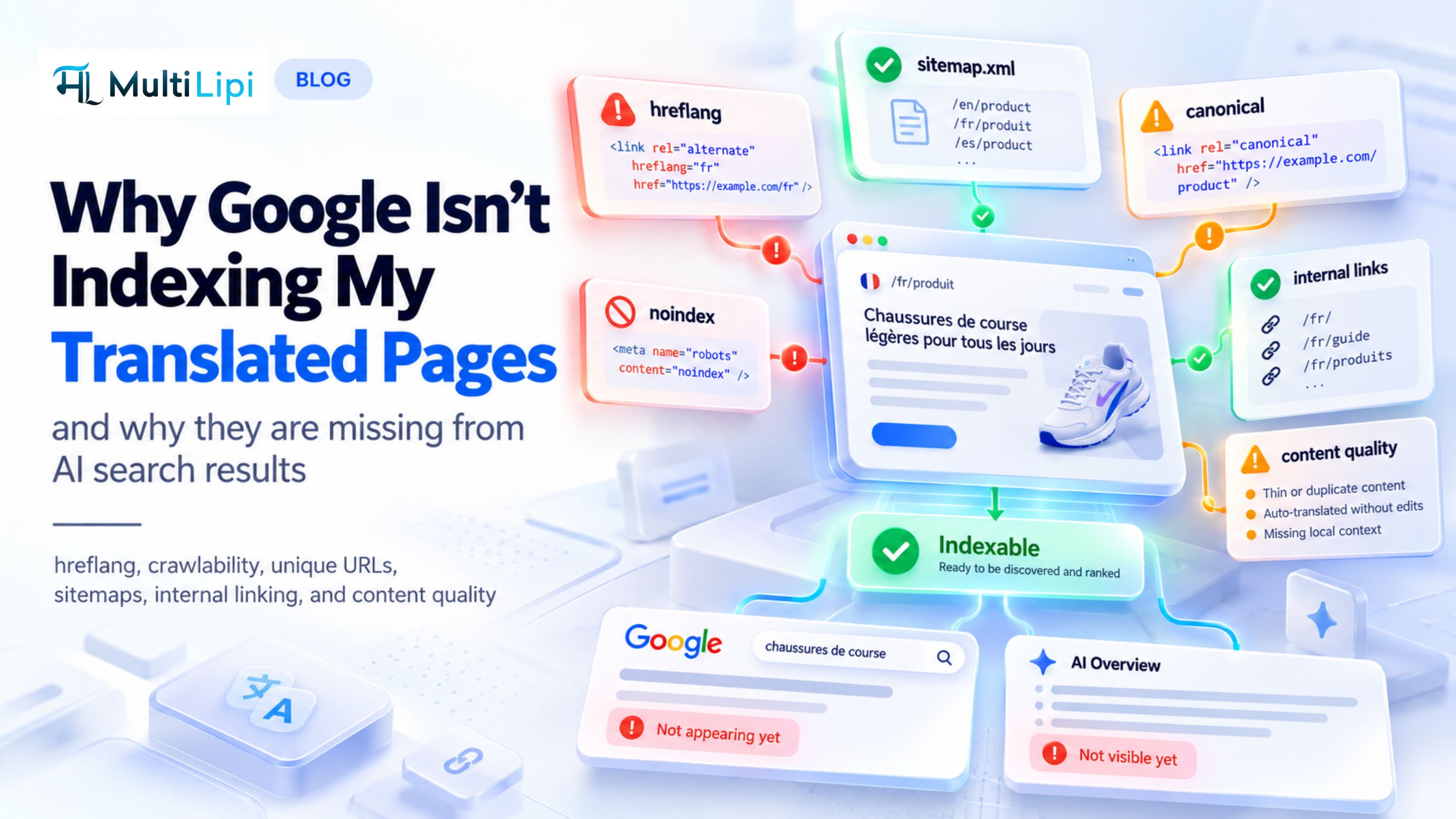
Una solida configurazione tecnica previene la cannibalizzazione e garantisce che le pagine giuste emergano per il pubblico giusto. Segnali hreflang aiuta i motori di ricerca a identificare la variante linguistica e regionale corretta.
Tag canonici prevenire problemi di contenuti duplicati quando materiale simile esiste in più lingue. Una chiara strategia canonica preserva l'equità dei link tra le località.
- implementazione hreflang che copre tutte le lingue e regioni di destinazione
- Coerente riferimenti canonici attraverso pagine multilingue
- Integrazioni CMS che automatizzano cambio lingua e propagazione dei metadati
4. Architettura dei contenuti per l'era dell'IA
Dati strutturati, formati adatti all'IA e segmentazione dei contenuti
I dati strutturati aiutano l'IA a comprendere e fare riferimento ai contenuti in modo accurato. L'implementazione di una strategia di SEO programmatica e di pagine glossario migliora questo aspetto organizzando termini e concetti essenziali, rendendo più facile per i motori di ricerca indicizzare e presentare le informazioni. Utilizzare lo schema per prodotti, recensioni, FAQ ed eventi per supportare snippet rapidi e citazioni affidabili. Mantenere le risposte concise e verificate.
Formatta i contenuti per chiarezza con elenchi puntati, paragrafi brevi e sezioni chiaramente etichettate. Titoli descrittivi migliorano la navigazione sia per gli umani che per l'IA.
- Usa Schemi FAQ e how-to per catturare query comuni
- Annota i segnali dell'autore e dell'editore per rafforzare la fiducia
- Adotta blocchi di contenuto modulari per il riutilizzo su diverse superfici
Contenuti programmatici e guidati dalla localizzazione per sostenere il traffico
I contenuti programmatici scalano tra argomenti e località senza perdere rilevanza. Crea modelli che si adattano a dati regionali, stagionalità e intenti mutevoli degli utenti.
La localizzazione dei contenuti si allinea al comportamento di ricerca locale e ai percorsi dei consumatori, specialmente quando potenziata da scalabilità dei contenuti assistita dall'IA e strategie SEO. Accoppiando dati localizzati con framework di contenuti globali, è possibile ottimizzare la visibilità e la pertinenza rimanendo coerenti e completi.
- Pagine basate su template che incorporano variabili specifiche della locale
- Moduli di contenuto dinamico per sezioni pronte per la transcreazione
- Governance dei contenuti per preservare la voce consentendo una rapida localizzazione
5. Integrazione della SEO con i flussi di lavoro di localizzazione globale
Integrazioni con codice di una riga e connettori CMS
L'ottimizzazione SEO senza interruzioni si basa su integrazioni leggere che si adattano al tuo flusso di lavoro. Un singolo script può esporre segnali hreflang, tag canonici e sitemap multilingue senza modificare i template. In pratica, ciò riduce gli errori umani e mantiene i metadati sincronizzati durante la pubblicazione in più lingue.
I connettori CMS automatizzano il cambio di lingua, la propagazione dei metadati di localizzazione e la mappatura degli URL regionali. Caso d'uso: un editore aggiunge una nuova locale nel CMS e il connettore crea automaticamente URL consapevoli della locale, aggiorna le sitemap e propaga i riferimenti canonici per prevenire contenuti duplicati.
- Varianti linguistiche automatiche e generazione di URL
- Metadati sincronizzati tra le località
- Segnali uniformi di sitemap e indicizzazione per regione
Pipeline di traduzione abilitate dall'IA che preservano il valore SEO
La traduzione dovrebbe mantenere il valore SEO pur suonando naturale. Crea pipeline che mappano le parole chiave a termini specifici della località, rispettano l'intento di ricerca e iniettano hreflang durante la traduzione.
Assicurati che le pagine tradotte ereditino l'autorità preservando i riferimenti canonici e collegandosi al contenuto originale ove appropriato. Controlli pratici individuano segnali SEO mancanti o disallineati prima della pubblicazione.
- Traduzione consapevole delle parole chiave con allineamento dell'intento regionale
- Propagazione dei metadati in ogni fase della localizzazione
- Controlli di qualità per tag title, meta description e dati strutturati
6. Nuovi segnali di ranking e tattiche che funzionano
E-A-T
Competenza, autorevolezza e fiducia rimangono fattori di ranking fondamentali. Costruisci credibilità con biografie degli autori che includano credenziali verificabili e collegamenti a profili professionali. Cita fonti primarie e supporta le affermazioni con affiliazioni verificabili. Aggiorna i contenuti quando emergono nuove prove per rafforzare la fiducia con lettori e motori di ricerca.
Freschezza dei Contenuti
Mantieni le pagine principali aggiornate con dati freschi, timestamp aggiornati e insight rivisti per segnalare la pertinenza. Ad esempio, aggiorna una guida di prodotto dopo il rilascio di un firmware o aggiungi una statistica di mercato recente dall'ultimo report. Includi una data di aggiornamento chiaramente visibile e una breve nota su cosa è cambiato.
Segnali Utente Multilingue
Misura le prestazioni per lingua e regione per individuare le lacune. Se una versione spagnola mostra un rimbalzo più elevato nelle pagine dei prodotti, regola il layout e traduci le chiamate all'azione per adattarle alle abitudini di acquisto regionali. Localizza non solo la lingua ma anche il formato, gli esempi e le misurazioni familiari a ciascun pubblico.
Sfruttare video brevi, voce e funzionalità su superfici non Google
La scoperta ora include miniature video, clip brevi e risultati vocali oltre alla ricerca tradizionale. Crea contenuti adatti agli snippet con risposte concise, didascalie, capitoli e risposte dirette. Allinea i metadati video con gli argomenti principali per migliorare la visibilità cross-canale e il click-through.
- Bozza di script da 30 e 60 secondi che affrontano una singola domanda con passaggi attuabili
- Sfrutta le funzionalità della piattaforma come FAQ, capitoli e risposte rapide per incrementare la presenza
7. Misurazione e KPI per una SEO Post Declino
Cosa monitorare nelle campagne multilingue
Traccia i segnali che riflettono l'intento localizzato e le prestazioni cross-market. Concentrati su come ciascuna variante linguistica contribuisce alla visibilità generale, alla qualità del traffico e alle conversioni. Ad esempio, confronta una pagina di destinazione in spagnolo con una versione francese per vedere quale genera traffico qualificato più elevato.
- Traffico organico per area geografica e lingua
- CTR e tasso di click-through organico per regione
- Metriche sull'esperienza della pagina in ogni lingua, inclusi i Core Web Vitals
Mercati diversi richiedono benchmark distinti. Confronta la crescita anno su anno per locale per valutare la resilienza e identificare le lacune nell'efficacia della localizzazione. Tieni traccia dei cambiamenti stagionali, come l'aumento delle query giapponesi durante la Golden Week o i picchi di ricerca araba intorno al Ramadan.
- Frequenza di rimbalzo e tempo sulla pagina per lingua
- Pagine indicizzate per locale e accessibilità per i crawler
- Presenza e impatto delle funzionalità SERP locali sulla visibilità
Modelli di attribuzione attraverso canali di localizzazione e internazionali
Adotta un'attribuzione che rifletta i percorsi multilingue. Vai oltre l'ultimo clic per riconoscere l'influenza della scoperta attraverso touchpoint localizzati, in particolare quando analizzi le dinamiche del traffico organico rispetto a quello a pagamento e i conseguenti cambiamenti nel CTR. Impiega la mappatura del funnel specifica per lingua per evitare di attribuire erroneamente l'impatto e per comprendere meglio i contributi unici di entrambe le fonti di traffico.
- Attribuzione multicanale tra segnali organici, social e di marketplace
- Ponderazione dei canali che tiene conto dei funnel linguistici e regionali
- Test di incrementalità per separare l'impatto della localizzazione dalle campagne globali
Domande frequenti
La SEO è ancora rilevante nel 2026?
Sì. La SEO rimane un canale fondamentale per la scoperta organica, ma il suo approccio è cambiato. L'enfasi è sull'intento, sul contesto e sull'accessibilità attraverso superfici oltre i tradizionali risultati di ricerca. Ad esempio, un panificio locale può avere successo con snippet di ricerca, pacchetti di mappe e query vocali su dispositivi mobili, non solo con una SERP desktop.
Cosa dovrei aspettarmi dai dati nel panorama odierno?
Aspettati una visione equilibrata: il traffico organico complessivo può tendere diversamente per mercato, ma persistono opportunità attraverso ricerche assistite dall'IA, query multilingue e superfici non Google. Cerca segnali che riflettano il comportamento locale e la scoperta specifica della piattaforma. Tieni traccia dei cambiamenti stagionali e delle differenze tra dispositivi; una settimana prima delle festività potrebbe esserci un picco di ricerche vocali e di tocchi "vicino a me".
In che modo la SEO multilingue si inserisce in una strategia globale?
La SEO multilingue dovrebbe essere integrata fin dall'inizio. La localizzazione non è solo traduzione; include l'allineamento delle intenzioni, la correttezza tecnica e la corretta canonicalizzazione per preservare l'equità tra le lingue. Inizia con una mappa linguistica per i mercati principali, quindi controlla trimestralmente hreflang e dati strutturati per prevenire la diluizione.
- Concentrati sull'accuratezza di hreflang per evitare diluizioni tra lingue
- Coordina le traduzioni con metadati e dati strutturati per coerenza
- Monitorare le prestazioni specifiche della località e adattare i contenuti agli intenti regionali
Quale ruolo giocano l'IA e gli LLM nella SEO oggi?
L'IA assiste nella pianificazione, ottimizzazione e analisi dei dati dei contenuti. Completa l'esperienza umana per migliorare la pertinenza, accelerare l'iterazione e personalizzare i contenuti per diversi pubblici, mantenendo accuratezza e credibilità. Utilizza l'IA per abbozzare schemi, quindi verifica i fatti con esperti e concorrenti locali per evitare contenuti generici.
Quali metriche contano per la SEO post-declino?
Traccia le visite organiche localizzate, il CTR per area geografica, il tempo sulla pagina e le conversioni per lingua. Includi l'attribuzione multicanale per catturare l'impatto della localizzazione su tutte le superfici. Utilizza l'analisi delle coorti per separare l'effetto dell'area geografica, del dispositivo e della piattaforma dalle tendenze di mercato più ampie.
Conclusione
L'idea che la SEO sia morta perde un cambiamento critico nel modo in cui avviene la scoperta. Non esiste più un unico campo di battaglia; ottimizzi su uno spettro di superfici, lingue e formati. Questo è un momento per rifocalizzarsi, non per ritirarsi.
Noi di MultiLipi, vediamo un'opportunità nel combinare Localizzazione abilitata dall'IA con una disciplina SEO intelligente. La localizzazione aumenta la pertinenza, mentre l'IA accelera l'iterazione e preserva l'equità tra i mercati. Il risultato è una visibilità sostenuta senza compromettere l'accuratezza.
- Pensa globale, agisci locale: dai priorità ai segnali multilingue che riflettono la reale intenzione degli utenti in ciascun mercato.
- Abbraccia le opportunità di zero click e risultati ricchi per catturare l'attenzione oltre i link tradizionali.
- Integra i flussi di traduzione con i metadati SEO per mantenere la coerenza tra le località.
Argomenti ad alta priorità nel contesto
Di seguito sono riportati punti basati sui dati che inquadrano il panorama attuale e sfatano narrazioni cariche di pessimismo. Ogni argomento viene esplorato con un contesto concreto per aiutarti a pianificare strategie pratiche e multilingue.
La piattaforma di Smartsheet esemplifica come i flussi di lavoro di contenuti strutturati e collaborativi accelerano programmi SEO globali. I suoi modelli di progetto multilingue e le pipeline di localizzazione automatizzate allineano i team, garantendo metadati coerenti e localizzazione scalabile tra i mercati.
Minimo calo del traffico di ricerca organico
Il caso della stabilità della SEO è supportato da analisi su larga scala su decine di migliaia di siti. Il traffico di ricerca organica ha mostrato solo modesti cali in alcuni periodi, con tendenze generali che puntano alla resilienza piuttosto che al collasso. Ciò contrasta le affermazioni drammatiche di forti cali e rafforza il valore della disciplina SEO duratura accanto a nuove strategie.
Tendenze del traffico per dimensione del sito e categoria
Dati recenti rivelano una distribuzione disomogenea. I primi 10 siti hanno registrato modesti incrementi nel traffico SEO, mentre i siti di medie dimensioni hanno affrontato cali più consistenti. Categorie di nicchia come notizie, salute e intrattenimento subiscono spesso flessioni più marcate, mentre abbigliamento, shopping e marketplace continuano a crescere. Ciò evidenzia l'importanza di calibrare le strategie in base al segmento di mercato e alle dimensioni del sito.
Utilizzo di dati di panel su larga scala per l'analisi del traffico
Affidabili approfondimenti provengono da ampie fonti di dati panel che combinano segnali multipli. Questi studi mostrano un'elevata correlazione con le prestazioni effettive della ricerca e offrono una visione più chiara rispetto a piccoli sondaggi. Basarsi su dati su larga scala aiuta a evitare bias cognitivi ed errori di campionamento comuni nelle prove aneddotiche.
Stabilità e crescita del traffico dei motori di ricerca
Le tendenze storiche mostrano periodi di crescita e stabilizzazione. Dopo periodi di espansione, il traffico di ricerca è rimasto resiliente, con i visitatori di Google in continua crescita in determinati trimestri. Questi schemi supportano un focus strategico sulla ricerca organica insieme alle superfici in evoluzione.
Quota di clic e clic pubblicitari di Google
Anche con gli spostamenti tra clic organici e a pagamento, la stragrande maggioranza dei clic favorisce ancora i risultati organici. I clic sugli annunci sono aumentati modestamente, ma il traffico organico rimane il principale motore di volume. Ciò sottolinea la continua importanza dell'ottimizzazione per la scoperta organica in contesti multilingue.
Impatto delle Panoramiche AI sul CTR
Le Panoramiche AI possono ridurre il tasso di clic quando vengono mostrate, influenzando le parole chiave informative. Ora appaiono in una minoranza di risultati ma hanno un impatto significativo su come gli utenti scoprono i contenuti. I Featured Snippet e le Panoramiche AI si evolvono in tandem, quindi pianifica formati di contenuto che rimangano preziosi anche quando i clic diretti variano.
In tutto, il messaggio centrale rimane chiaro: il panorama della ricerca si sta evolvendo, non collassando. La mossa più intelligente è fondere la localizzazione con l'ottimizzazione guidata dall'IA, assicurando che il contenuto rimane scopribile tra lingue e superfici.
Esempi di flussi di lavoro cross-superficie
I seguenti esempi di piattaforme tratti dalla fonte rafforzano il modo in cui la collaborazione strutturata, i sistemi di design e i flussi di lavoro multicanale supportano la scoperta multilingue moderna.
La piattaforma di coinvolgimento clienti di Braze rafforza come i segnali cross-channel e le esperienze personalizzate si allineano con la scoperta abilitata dall'IA, aiutando i brand a coordinarsi localizzazione e messaggistica su larga scala attraverso superfici e lingue.
L'approccio di Canva dimostra come i contenuti incentrati sul design scalino tra le lingue: modelli, elementi visivi e asset del brand sono facilmente localizzabili, consentendo una scoperta coerente da AI Overviews a superfici social senza diluire l'identità.
La piattaforma di gestione del lavoro di Asana dimostra come la chiara collaborazione e l'orchestrazione dei task scalano tra team e regioni, rispecchiando come contenuti multilingue strutturati e flussi di lavoro abilitati dall'IA guidano la scoperta coerente e localizzazione nei programmi SEO.